
Reciprocating Saw vs Jigsaw: Which One Do You Need?
TOOL COMPARISON
Reciprocating saws and jigsaws both use back-and-forth blade motion, but they’re built for very different jobs. This guide compares cutting power, precision, versatility, and control to help you choose the right saw for your projects.
Quick answer
If you are in a hurry...
Choose a reciprocating saw for demolition and aggressive cutting. Choose a jigsaw for curves, cutouts, and precise DIY work.
A reciprocating saw prioritizes power and access, making it ideal for demolition, remodeling, pruning, and rough cuts through wood, metal, and other materials. A jigsaw offers much greater control and accuracy for woodworking, curved cuts, interior cutouts, and detailed projects.
Reciprocating Saw vs Jigsaw at a Glance
The biggest difference is the type of work each saw is designed to handle. A reciprocating saw uses a long exposed blade for aggressive cutting, demolition, and hard-to-reach areas, while a jigsaw uses a shorter, narrower blade and supported base for controlled curves, cutouts, and detailed work.
RECIPROCATING SAW
Best for: Demolition & rough cutting
Blade motion: Back-and-forth
Cutting power: Excellent
Precision: Limited
Curved cuts: Poor
Demolition: Excellent
Tight-access cutting: Excellent
Best for remodeling? YES
JIGSAW
Best for: Curves & detailed cutting
Blade motion: Up-and-down
Cutting power: Moderate
Precision: Excellent
Curved cuts: Excellent
Demolition: Poor
Tight-access cutting: Good
Best for detailed DIY? YES
What’s the Difference Between a Reciprocating Saw and a Jigsaw?
The biggest difference is the type of cutting each tool is designed for. A reciprocating saw prioritizes power, reach, and aggressive material removal, while a jigsaw prioritizes accuracy, maneuverability, and control.
Cutting Style
Reciprocating saws use longer blades for aggressive back-and-forth cutting. Jigsaws use shorter, narrower blades that allow much greater control over the cutting path.
Power & Speed
Reciprocating saws are built to cut quickly through framing, pipes, branches, and demolition materials. Jigsaws sacrifice some cutting power for greater precision.
Precision & Control
A jigsaw’s base plate rests against the workpiece, helping guide controlled cuts. Reciprocating saws are primarily designed for rough cutting where a perfectly clean edge isn’t the priority.
Blade Access & Versatility
The long exposed blade of a reciprocating saw can reach awkward areas and make flush or near-flush cuts. A jigsaw works best on accessible surfaces where its shoe can remain supported.
Reciprocating Saw vs Jigsaw: Which Is Better for Different Jobs?
The right choice depends on whether you need aggressive cutting power or precise control. Reciprocating saws excel at demolition and rough work, while jigsaws are better suited to controlled woodworking and detailed cuts.
Demolition
Winner: Reciprocating Saw
For tearing out framing, cutting through old materials, and remodeling work, a reciprocating saw delivers the aggressive cutting action and access needed for demolition.
Cutting Curves
Winner: Jigsaw
A jigsaw‘s narrow blade can follow curved and irregular cutting lines, making it far better for shapes, circles, and decorative cuts.
Cutting Metal Pipes
Winner: Reciprocating Saw
With the appropriate blade, a reciprocating saw can quickly cut through metal pipes, tubing, and fasteners during renovation or demolition work.
Making Interior Cutouts
Winner: Jigsaw
After creating a starter hole, a jigsaw can make controlled interior cutouts in countertops, panels, plywood, and other sheet materials.
Pruning Branches
Winner: Reciprocating Saw
Equipped with a pruning blade, a reciprocating saw can handle branches and other outdoor cutting jobs that aren’t practical for a jigsaw.
Detailed Woodworking
Winner: Jigsaw
For controlled shapes, notches, and detailed cuts where appearance matters, a jigsaw provides significantly better accuracy and maneuverability.
Which Should You Buy: a Reciprocating Saw or Jigsaw?
Choose based on the type of cutting you do most often. A reciprocating saw is the better choice for demolition, remodeling, and aggressive cutting, while a jigsaw is better for controlled DIY and woodworking projects.
Choose a Reciprocating Saw If...
You regularly tackle demolition or remodeling
You need to cut through framing or old materials
You cut metal pipes or fasteners
You need to reach awkward or confined areas
You occasionally prune branches or outdoor materials
Bottom line:
For demolition, remodeling, and aggressive cutting, choose a reciprocating saw.
Choose a Jigsaw If...
You regularly cut curves or irregular shapes
You make interior cutouts
You work on woodworking or craft projects
Clean, controlled cuts matter
You need greater cutting precision
Bottom line:
For curves, cutouts, and detailed DIY work, choose a jigsaw.
Do You Need Both?
For many serious DIYers, eventually yes. The tools serve very different purposes: a reciprocating saw handles demolition, rough cutting, pipes, and awkward spaces, while a jigsaw handles curves, interior cutouts, and more precise woodworking. If you regularly do both renovation and detailed DIY projects, they complement each other well.
Frequently Asked Questions
1. Is a reciprocating saw the same as a jigsaw?
No. Both use reciprocating blade motion, but they are designed for different jobs. Reciprocating saws prioritize aggressive cutting and access, while jigsaws prioritize precision and maneuverability.
2. Can a jigsaw replace a reciprocating saw?
Not for most demolition work. A jigsaw can cut many of the same materials with the appropriate blade, but it lacks the reach and aggressive cutting ability that makes a reciprocating saw useful for remodeling and demolition.
3. Can a reciprocating saw make curved cuts?
Technically it can make some rough directional cuts, but it is not designed for accurate curves. A jigsaw is far better for controlled curved and irregular cuts.
4. Which is better for cutting wood: a reciprocating saw or jigsaw?
It depends on the job. Use a reciprocating saw for rough cuts, demolition, framing removal, and branches. Use a jigsaw when you need cleaner, more controlled cuts in woodworking projects.
5. Which is better for cutting metal?
A reciprocating saw is generally better for cutting pipes, tubing, fasteners, and other metal during demolition or renovation. A jigsaw can cut thinner sheet metal when equipped with the appropriate blade.
6. Which saw is better for beginners?
For general woodworking and controlled DIY projects, a jigsaw is usually more useful. If your projects primarily involve renovation, demolition, or rough cutting, a reciprocating saw may be the better choice.
Final Verdict
Reciprocating Saw vs Jigsaw: The Bottom Line
For demolition, renovation, and aggressive cutting, a reciprocating saw is the better choice. Its long blade, powerful cutting action, and ability to reach awkward areas make it ideal for framing removal, pipes, branches, and rough cutting where precision isn’t the priority.
A jigsaw is the better choice for controlled and detailed work. Its narrow blade and supported base make it much easier to follow curves, create interior cutouts, and produce accurate cuts in woodworking and DIY projects.
If you regularly tackle both renovation and woodworking, the two tools complement each other extremely well: use the reciprocating saw for rough cutting and demolition, and the jigsaw when accuracy and control matter.
Related Buying Guides
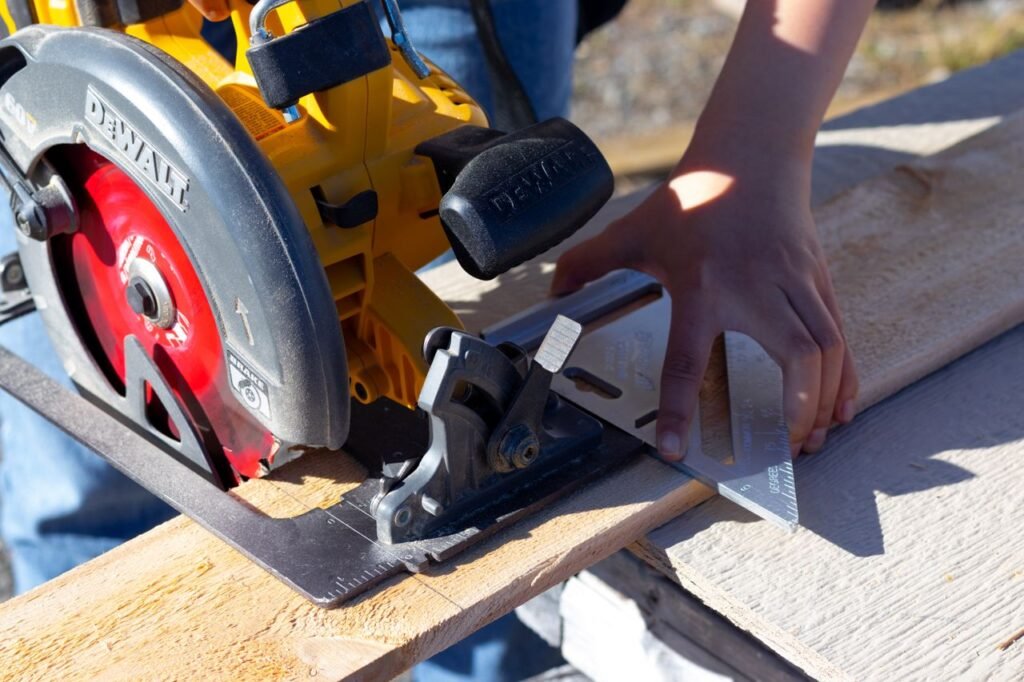
Best Circular Saws of 2026
Need fast, straight cuts? Compare our top circular saws for plywood, lumber, construction, and general woodworking.
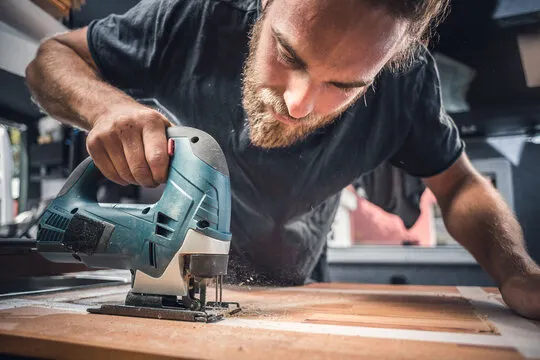
Best Jigsaws of 2026
Compare our top jigsaws for curved cuts, interior cutouts, woodworking, and detailed DIY projects.
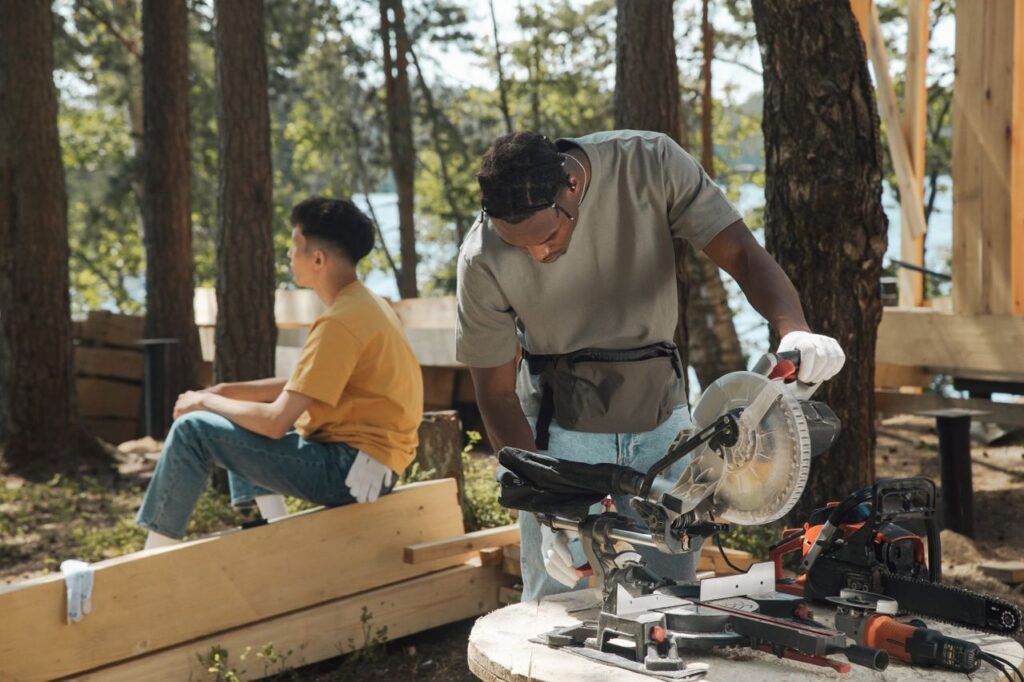
Best Reciprocating Saws of 2026
Compare our top reciprocating saws for demolition, remodeling, pruning, and aggressive cutting through wood and metal.