
Brushless vs Brushed Drill: Which Is Better?
Drill Guide
Brushless and brushed drills can handle many of the same jobs, but the motors inside them work differently. That difference affects efficiency, runtime, heat, maintenance, durability, and price. Here’s what actually matters when choosing between them.
Quick answer
If you are in a hurry...
For most buyers, a brushless drill is the better choice.
Brushless drills are generally more efficient, run cooler, require less maintenance, and can deliver better performance under load. Brushed drills remain a practical choice for occasional DIYers who prioritize a lower upfront price.
Brushless vs Brushed Drill at a Glance
The main difference is how the motor transfers electrical power. Brushless motors use electronic controls instead of physical carbon brushes, improving efficiency and reducing wear, while brushed motors use a simpler, less expensive design.
BRUSHLESS DRILL
Best for: Frequent DIY & demanding projects
Motor: Electronically controlled
Efficiency: Higher
Runtime: Longer
Heat: Lower
Maintenance: Minimal
Durability: Generally longer
Price: Higher
Best overall choice? YES
BRUSHED DRILL
Best for: Occasional DIY & budget buyers
Motor: Carbon brushes
Efficiency: Lower
Runtime: Shorter
Heat: Higher
Maintenance: Brushes can wear
Durability: Generally lower
Price: Lower
Good budget choice? YES
What’s the Difference Between a Brushless and Brushed Drill?
The key difference is inside the motor. Brushed drills use physical carbon brushes to transfer electrical power, while brushless drills use electronic controls. Removing the brushes reduces friction and wear, which can improve efficiency, runtime, heat management, and durability.
Motor Design
A brushed motor uses carbon brushes that physically contact the commutator to deliver current to the rotating motor. A brushless motor replaces this mechanical switching with electronic controls, eliminating the brushes and reducing friction and wear inside the motor.
Efficiency & Runtime
Brushless motors eliminate brush friction and use electronic controls to manage power delivery more efficiently. This can help a cordless drill get more useful runtime from the same battery capacity, especially during demanding or extended use.
Heat & Durability
With no carbon brushes creating friction and wear, brushless motors generally run cooler and have fewer components that wear over time. This can contribute to longer motor life, especially with frequent use.
Price & Maintenance
Brushed drills are typically cheaper upfront, but their carbon brushes can eventually wear and require replacement. Brushless drills cost more but need less motor maintenance.
Brushless vs Brushed Drill: Which Is Better for Different Uses?
Brushless drills have the advantage in most demanding situations, but that doesn’t mean everyone needs one. How often you use your drill, the workload, and your budget should determine which motor type makes more sense.
Occasional Home Repairs
Winner: Brushed Drill
For hanging pictures, assembling furniture, and occasional household repairs, a brushed drill can provide all the performance you need at a lower price.
Frequent DIY Projects
Winner: Brushless Drill
For regular DIY and renovation work, the improved efficiency, lower heat, and reduced maintenance of a brushless motor make it the better long-term choice.
Long Drilling Sessions
Winner: Brushless Drill
Brushless motors generally produce less friction and heat, making them better suited to longer drilling sessions and repeated use.
Maximum Battery Runtime
Winner: Brushless Drill
Greater motor efficiency can help a brushless cordless drill make better use of its battery, particularly during demanding or extended projects.
Heavy-Duty Work
Winner: Brushless Drill
For tougher drilling and fastening tasks, electronic motor control can adjust power delivery under load, giving brushless drills an advantage in demanding work.
Lowest Upfront Cost
Winner: Brushed Drill
If price is the priority and you only use a drill occasionally, a brushed model can offer better value without paying extra for performance you may not need.
Which Should You Buy: a Brushless or Brushed Drill?
For most people buying a new cordless drill today, a brushless model is the better long-term choice. However, a brushed drill can still make sense if you only tackle occasional projects and want to keep the upfront cost as low as possible.
Choose a Brushless Drill If...
You use your drill regularly
You want longer battery runtime
You tackle demanding DIY or renovation projects
You want less motor maintenance
You plan to keep the drill for several years
Bottom line:
For most homeowners and frequent DIYers, choose a brushless drill.
Choose a Brushed Drill If...
You only use a drill occasionally
You mainly tackle light household projects
Your budget is the main priority
Maximum runtime isn’t important to you
You don’t need heavy-duty performance
Bottom line:
For occasional light DIY, a brushed drill can save you money and still get the job done.
Is Brushless Worth the Extra Money?
For frequent DIYers, usually yes. The higher upfront price can be worthwhile for better efficiency, reduced heat, less maintenance, and potentially longer service life. For someone who only uses a drill a few times per year, however, a cheaper brushed model may be the more sensible purchase.
Frequently Asked Questions
1. Is a brushless drill better than a brushed drill?
For most buyers, yes. Brushless drills are generally more efficient, produce less heat, require less motor maintenance, and can provide better performance under load. Brushed drills remain useful for occasional DIY where lower cost is the priority.
2. What is the main difference between brushed and brushless drills?
A brushed drill uses carbon brushes to transfer power inside the motor. A brushless drill replaces those physical brushes with electronic controls, reducing friction and eliminating a common wear component.
3. Do brushless drills last longer?
They can. Brushless motors have fewer wear components and generally generate less friction and heat. Actual tool life still depends on build quality, workload, maintenance, and how the drill is used.
4. Do brushless drills have more power?
Not automatically. Brushless technology improves motor efficiency and allows electronic control of power delivery, but actual drilling performance varies by model, battery, motor design, and workload.
5. Are brushless drills worth the extra money?
For frequent DIY, renovation, or demanding work, a brushless drill is usually worth considering because of its efficiency, reduced maintenance, and better suitability for sustained use. Occasional users may be perfectly satisfied with a less expensive brushed drill.
6. Do brushed drills need maintenance?
Brushed motors use carbon brushes that wear over time and may eventually need replacement. Brushless motors eliminate these brushes, although the drill itself still requires normal care and maintenance.
Final Verdict
Brushless vs Brushed Drill: The Bottom Line
For most homeowners and frequent DIYers, a brushless drill is the better choice. Its more efficient motor design reduces friction and heat, eliminates carbon-brush maintenance, and can provide better runtime and performance under demanding loads.
A brushed drill still has a place, particularly for occasional household projects where keeping the purchase price low matters more than maximum efficiency or durability. If you only reach for your drill a few times per year, paying extra for brushless technology may not be necessary.
If you’re buying a cordless drill that you expect to use regularly for years, however, we recommend choosing brushless.
Related Buying Guides
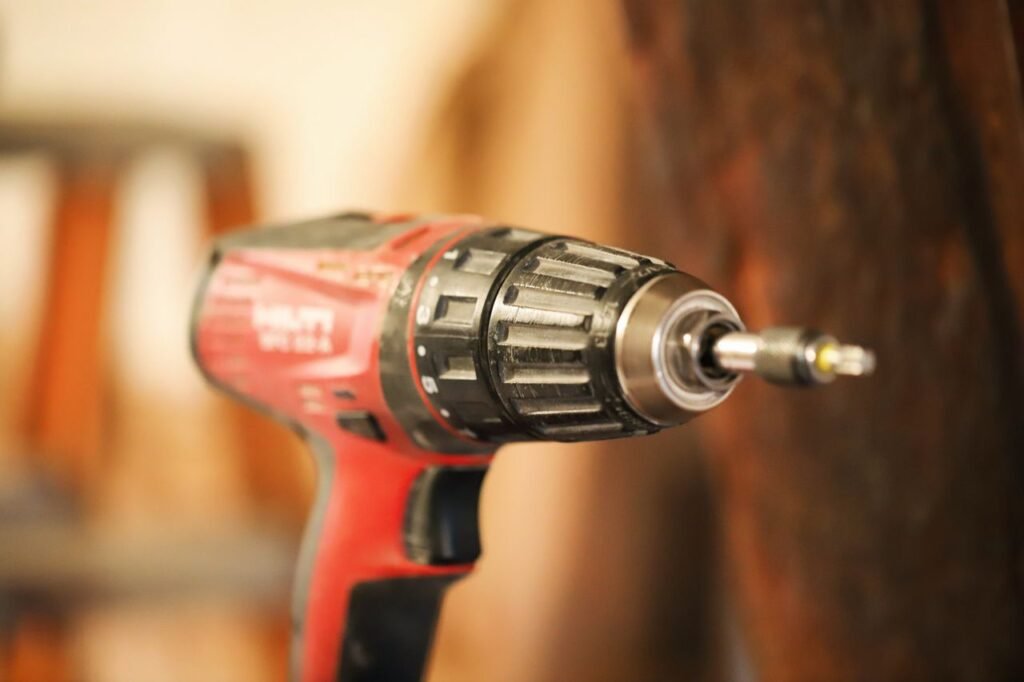
Cordless Drills
Find the best cordless drills for DIY, home improvement and professional projects.
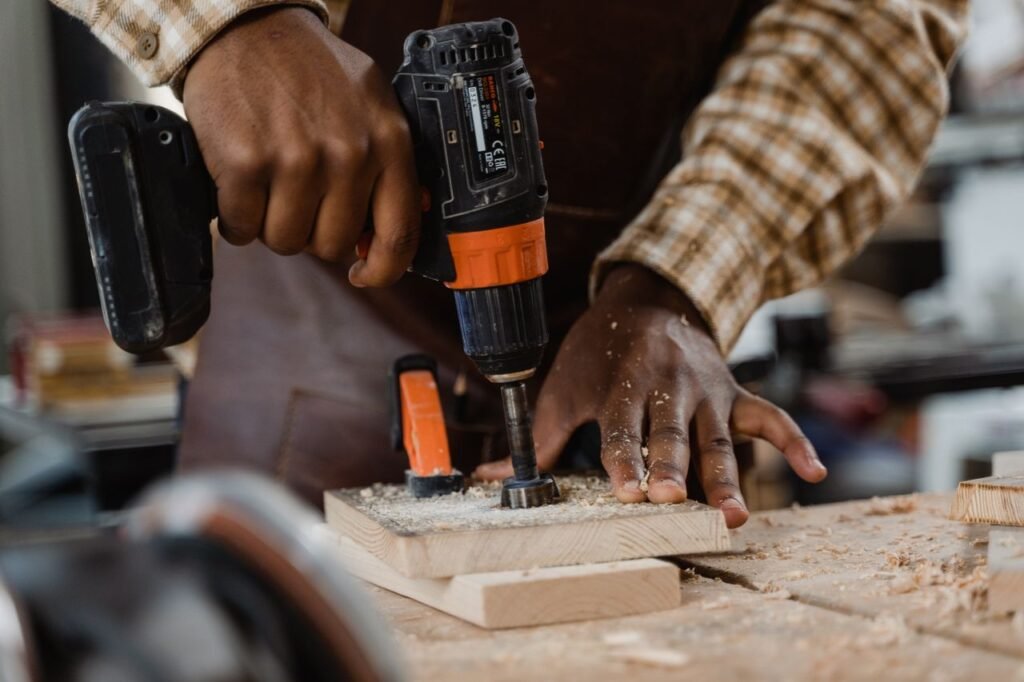
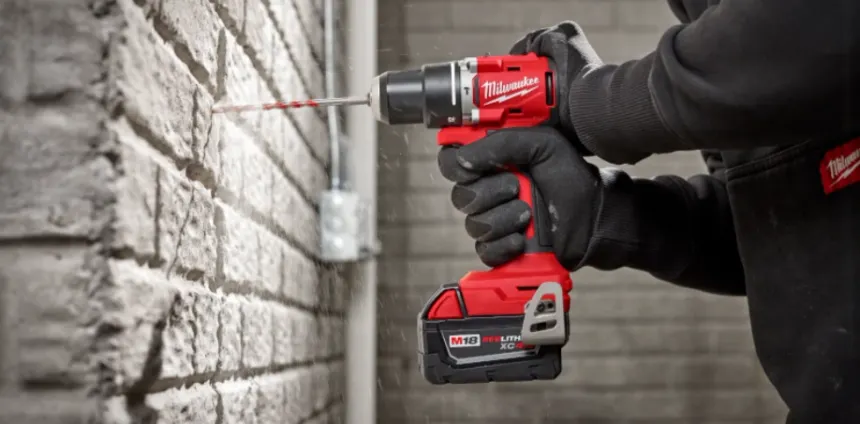
Hammer Drills
Compare the best hammer drills for DIY, renovation, masonry, and demanding drilling projects.