
Circular Saw vs Jigsaw: Which One Do You Need?
TOOL COMPARISON
Circular saws and jigsaws can both cut wood and other materials, but they’re designed for very different types of cuts. This guide compares cutting speed, accuracy, versatility, and control to help you choose the right saw for your projects.
Quick answer
If you are in a hurry...
Choose a circular saw for fast, straight cuts. Choose a jigsaw for curves, shapes, and detailed cutting.
A circular saw is the better choice for cutting boards, plywood, and dimensional lumber quickly and accurately in straight lines. A jigsaw is more versatile for curved cuts, cutouts, and projects where maneuverability matters more than raw cutting speed.
Circular Saw vs Jigsaw at a Glance
The biggest difference is the type of cut each saw is designed to make. A circular saw uses a rotating blade for fast, straight cuts, while a jigsaw uses a narrow reciprocating blade that can follow curves and intricate shapes.
CIRCULAR SAW
Best for: Fast, straight cuts
Blade motion: Rotating
Straight cuts: Excellent
Curved cuts: Poor
Cutting speed: Fast
Thick lumber: Excellent
Precision: Excellent with a guide
Best for sheet goods? YES
JIGSAW
Best for: Curves & detailed cuts
Blade motion: Up-and-down
Straight cuts: Good
Curved cuts: Excellent
Cutting speed: Moderate
Thick lumber: Limited
Precision: Excellent for shapes
Best for intricate cuts? YES
What’s the Difference Between a Circular Saw and a Jigsaw?
The main difference is how each saw cuts. A circular saw uses a large rotating blade to move quickly through material in straight lines, while a jigsaw uses a narrow reciprocating blade that can turn and follow curved or irregular cutting paths.
Cutting Motion
Circular saws use a rapidly rotating round blade. Jigsaws move a narrow blade up and down, allowing the tool to change direction during a cut.
Straight vs Curved Cuts
Circular saws excel at long, straight cuts. Jigsaws are much better for curves, circles, notches, and other irregular shapes.
Cutting Speed & Depth
Circular saws generally cut faster and handle thicker lumber more easily. Jigsaws trade some speed and cutting capacity for maneuverability.
Control & Versatility
A circular saw provides excellent straight-line accuracy, especially with a guide. A jigsaw offers greater freedom of movement for detailed cuts and interior cutouts.
Circular Saw vs Jigsaw: Which Is Better for Different Jobs?
The right saw depends heavily on the cut you need to make. Circular saws dominate fast, straight cutting, while jigsaws become more useful when curves, cutouts, and detailed shapes are involved.
Cutting Plywood
Winner: Circular Saw
For breaking down plywood and other sheet goods, a circular saw makes faster, straighter cuts and works especially well with a guide or straightedge.
Cutting 2×4 Lumber
Winner: Circular Saw
A circular saw’s greater cutting depth and power make it the better choice for quickly cutting dimensional lumber such as 2×4s.
Cutting Curves
Winner: Jigsaw
The narrow blade allows a jigsaw to change direction during the cut, making it the clear choice for curves, circles, and irregular shapes.
Making Interior Cutouts
Winner: Jigsaw
After drilling a starter hole, a jigsaw can make enclosed cutouts in countertops, panels, and other materials where a circular saw cannot easily start.
Long Straight Cuts
Winner: Circular Saw
With a straightedge or cutting guide, a circular saw produces fast and consistent straight cuts across boards and sheet materials.
Detailed DIY Projects
Winner: Jigsaw
For decorative shapes, craft projects, notches, and cuts requiring frequent direction changes, a jigsaw offers much greater maneuverability.
Which Should You Buy: a Circular Saw or Jigsaw?
For most DIYers tackling construction, renovation, or woodworking projects, a circular saw is the better choice for fast everyday cutting. A jigsaw becomes essential when your projects involve curves, cutouts, or detailed shapes.
Choose a Circular Saw If...
You regularly cut plywood or sheet goods
You frequently cut 2×4s and dimensional lumber
You need fast, long, straight cuts
You tackle construction or renovation projects
Cutting speed and depth are priorities
Bottom line:
For general construction and straight cutting, choose a circular saw.
Choose a Jigsaw If...
You regularly need to cut curves
You make interior cutouts or notches
You work on detailed woodworking or craft projects
You need a saw that’s easy to maneuver
Versatility of cutting shape matters most
Bottom line:
For curves, cutouts, and detailed work, choose a jigsaw.
Do You Need Both?
For many DIYers, eventually yes. The two saws complement each other rather than directly replacing one another. A circular saw handles fast straight cuts and larger material, while a jigsaw takes over when a project requires curves, cutouts, or intricate shapes.
Frequently Asked Questions
1. Is a circular saw better than a jigsaw?
Neither is universally better. A circular saw is better for fast, straight cuts and thicker material, while a jigsaw is better for curves, cutouts, and detailed shapes.
2. Can a jigsaw replace a circular saw?
Not completely. A jigsaw can make straight cuts, but it is generally slower and less suited to long, accurate cuts through sheet goods or dimensional lumber. For frequent straight cutting, a circular saw is usually more effective.
3. Can a circular saw cut curves?
A circular saw is not designed for curved cuts. Its large rotating blade works best in straight lines. For curves and irregular shapes, use a jigsaw.
4. Which is better for cutting plywood: a circular saw or jigsaw?
A circular saw is generally better for long, straight cuts in plywood, particularly when paired with a straightedge or guide. A jigsaw is more useful when the plywood needs curved or irregular cuts.
5. Which saw is better for beginners?
It depends on the projects you plan to tackle. A circular saw is highly useful for general construction and woodworking, while a jigsaw can be easier to maneuver and is ideal for smaller projects involving detailed cuts.
6. Do I need both a circular saw and a jigsaw?
Not necessarily, but they complement each other extremely well. A circular saw handles fast straight cuts, while a jigsaw handles curves and cutouts that a circular saw cannot easily make.
Final Verdict
Circular Saw vs Jigsaw: The Bottom Line
For most DIYers who regularly cut plywood, boards, or dimensional lumber, a circular saw is the better choice. Its rotating blade provides the speed, cutting depth, and straight-line performance needed for construction, renovation, and general woodworking projects.
jigsaw is the better specialist for curves and detailed work. Its narrow reciprocating blade can follow irregular shapes, make interior cutouts, and handle cuts that simply aren’t practical with a circular saw. If your projects involve a mixture of straight cuts and detailed shapes, owning both gives you a highly versatile cutting setup: use the circular saw for fast straight work and the jigsaw for curves and cutouts.Related Buying Guides
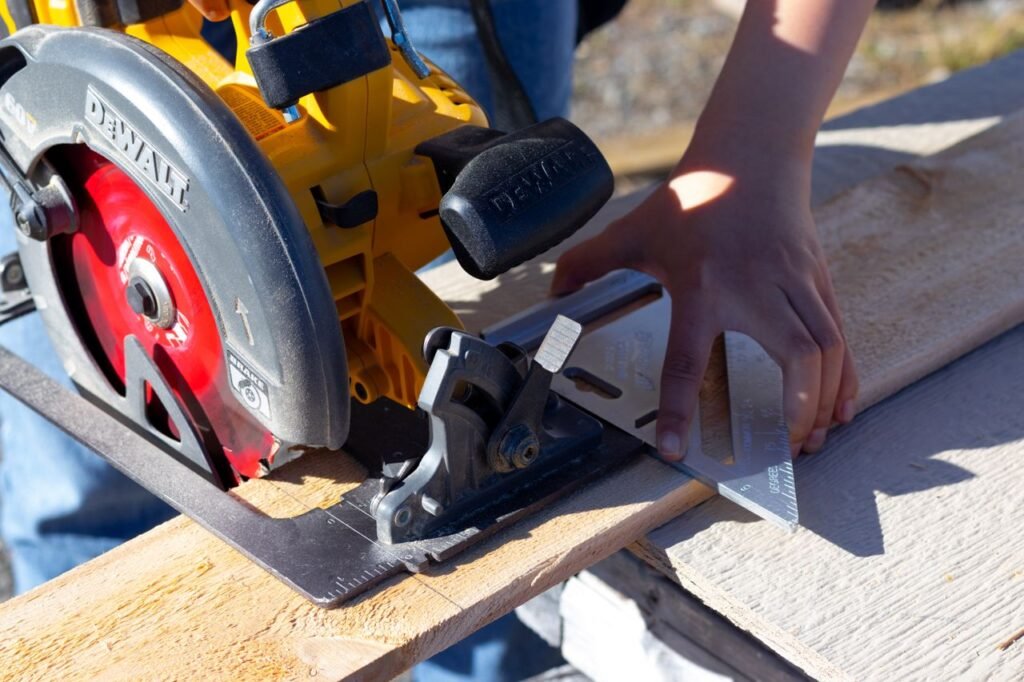
Best Circular Saws of 2026
Compare our top circular saws for fast, accurate cuts through plywood, lumber, and other common materials.
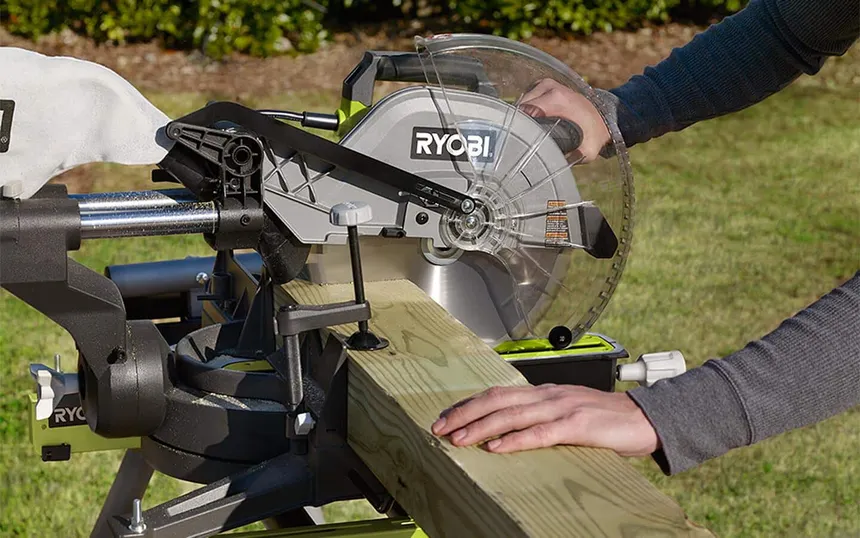
Best Miter Saws of 2026
Need precise crosscuts and angled cuts? Compare our top miter saws for woodworking, trim, and renovation projects.

Best Jigsaws of 2026
Compare our top jigsaws for curved cuts, detailed woodworking, cutouts, and versatile DIY projects.