
Miter Saw vs Circular Saw: Which One Do You Need?
TOOL COMPARISON
Miter saws and circular saws can both make fast, accurate cuts, but they’re designed for different types of work. This guide compares portability, cutting capacity, precision, versatility, and best uses to help you choose the right saw.
Quick answer
If you are in a hurry...
Choose a circular saw for portability and versatile cutting. Choose a miter saw for fast, repeatable crosscuts and precise angles.
A circular saw is the more versatile option for cutting plywood, lumber, and materials directly at the workpiece. A miter saw is the better specialist for accurate crosscuts, miters, bevels, trim work, and repeated cuts at consistent angles.
Miter Saw vs Circular Saw at a Glance
The biggest difference is how the tools are used. A miter saw brings the blade down onto a stationary workpiece for controlled, repeatable cuts, while a circular saw is handheld and moves across the material.
CIRCULAR SAW
Best for: Versatile & portable cutting
Tool type: Handheld
Crosscuts: Excellent
Miter & bevel cuts: Good
Sheet goods: Excellent
Portability: Excellent
Repeatable cuts: Good with a guide
Best for general cutting? YES
MITER SAW
Best for: Crosscuts, trim & angles
Tool type: Stationary
Crosscuts: Excellent
Miter & bevel cuts: Excellent
Sheet goods: Poor
Portability: Limited
Repeatable cuts: Excellent
Best for trim work? YES
What’s the Difference Between a Miter Saw and a Circular Saw?
The main difference is mobility and cutting setup. A miter saw holds the workpiece against a fence while the blade moves through it, while a circular saw is handheld and moves across the material.
Cutting Style
A miter saw uses a mounted blade that lowers onto the workpiece. A circular saw is handheld, allowing you to bring the saw directly to larger materials.
Accuracy & Repeatability
Miter saws excel at making precise, repeatable crosscuts and angles. Circular saws can also cut accurately, but guides are often useful when precision matters.
Cutting Capacity
Circular saws can make long cuts through plywood and other large sheet materials. Miter saws are limited by their maximum crosscut width and blade capacity.
Portability & Workspace
Circular saws are compact and easy to carry between jobs. Miter saws require more setup space and are better suited to a dedicated workbench or jobsite station.
Miter Saw vs Circular Saw: Which Is Better for Different Jobs?
Both saws are excellent cutters, but each becomes much more useful for certain projects. The right choice depends on whether you prioritize precision and repeatability or portability and cutting versatility.
Cutting Plywood
Winner: Circular Saw
A circular saw can travel across large sheet goods, making it far more practical for breaking down plywood, OSB, and similar panels.
Cutting 2×4 Lumber
Winner: Miter Saw
For repeated crosscuts through dimensional lumber, a miter saw is fast, accurate, and makes it easy to produce consistent lengths.
Cutting Trim & Molding
Winner: Miter Saw
Precise miter and bevel adjustments make a miter saw the better tool for baseboards, molding, door trim, and other finish work.
Repeated Angle
Cuts
Winner: Miter Saw
Once the angle is set, a miter saw can reproduce the same cut quickly and consistently across multiple workpieces.
Long Straight
Cuts
Winner: Circular Saw
A circular saw paired with a straightedge or guide can make long cuts that aren’t possible on a typical miter saw.
Working Around the Jobsite
Winner: Circular Saw
Its compact handheld design lets you take the saw directly to the material instead of carrying large workpieces back to a stationary cutting station.
Which Should You Buy: a Miter Saw or Circular Saw?
For most DIYers buying their first power saw, a circular saw offers greater versatility and portability. A miter saw becomes the better investment when your projects require frequent crosscuts, precise angles, or repeated cuts.
Choose a Circular Saw If...
You need to cut plywood or sheet goods
You want a portable saw for different projects
You make long straight cuts
You work with large materials
You want a versatile first power saw
Bottom line:
For portability and versatile general cutting, choose a circular saw.
Choose a Miter Saw If...
You frequently cut trim or molding
You need precise miter and bevel cuts
You make lots of repeated crosscuts
You regularly cut dimensional lumber to length
You have space for a stationary cutting setup
Bottom line:
For precision, repeatability, and trim work, choose a miter saw.
Do You Need Both?
For many serious DIYers, eventually yes. The tools complement each other well: a circular saw handles large materials, long cuts, and portable work, while a miter saw provides fast, precise, repeatable crosscuts and angles.
Frequently Asked Questions
1. Is a miter saw better than a circular saw?
Neither is better for every job. A miter saw is better for precise, repeatable crosscuts and angles, while a circular saw is more versatile for long cuts, sheet goods, and portable work.
2. Can a circular saw replace a miter saw?
For many basic projects, yes. A circular saw can make crosscuts, bevels, and angled cuts, especially when used with a guide. However, a miter saw makes repeated crosscuts and precise angles faster and easier.
3. Can a miter saw cut plywood?
A miter saw can cut narrower pieces of plywood, but it cannot efficiently make long rip cuts through full sheets. A circular saw is much better suited to breaking down plywood and other sheet goods.
4. Which saw is better for cutting 2×4s?
Both can cut 2×4 lumber effectively. A miter saw is generally better for fast, repeatable crosscuts, while a circular saw is more convenient when portability matters.
5. Which is better for beginners: a miter saw or circular saw?
A circular saw is generally the more versatile first purchase because it can handle sheet goods, lumber, crosscuts, rip cuts, and many general DIY projects. A miter saw becomes especially useful for trim and repeated precision cutting.
6. Do I need both a miter saw and circular saw?
Not necessarily, but they complement each other well. A circular saw handles portable and large-material cutting, while a miter saw makes precise crosscuts and angles faster and more repeatable.
Final Verdict
Miter Saw vs Circular Saw: The Bottom Line
For most DIYers buying their first power saw, a circular saw is the more versatile choice. It can cut plywood, dimensional lumber, and other large materials while remaining portable enough to use almost anywhere.
A miter saw is the better specialist for precision and repeatability. If your projects involve trim, molding, framing, or frequent crosscuts and angles, its stationary setup makes those cuts faster and easier to reproduce accurately.
If you regularly tackle larger woodworking or renovation projects, owning both creates an excellent setup: use the circular saw for portable and large-material cutting, and the miter saw for precise crosscuts and angles.
Related Buying Guides
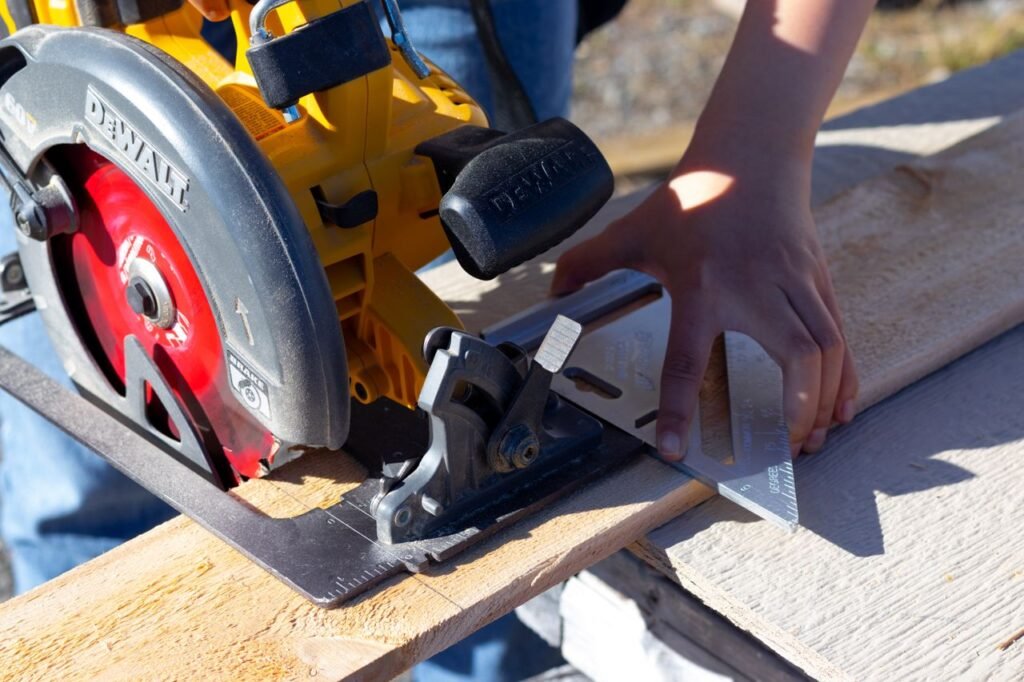
Best Circular Saws of 2026
Compare our top circular saws for fast, accurate cuts through plywood, lumber, and other common materials.
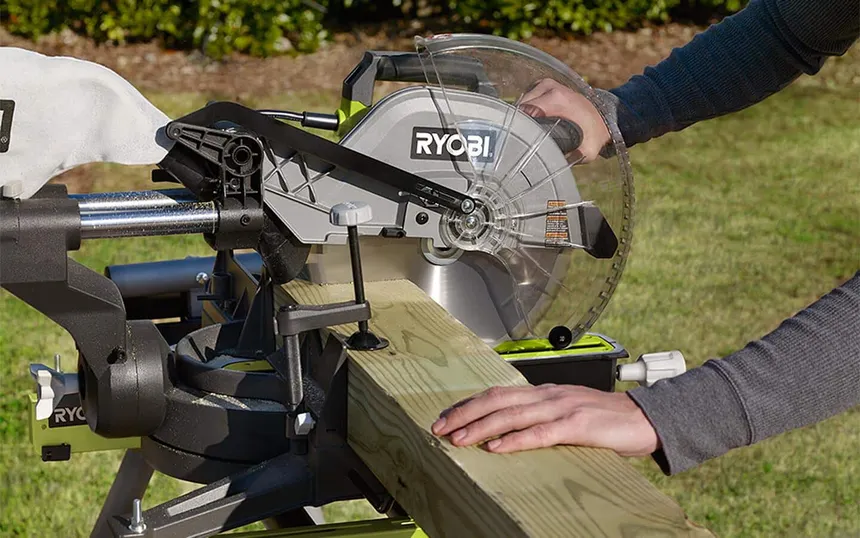
Best Miter Saws of 2026
Need precise crosscuts and angled cuts? Compare our top miter saws for woodworking, trim, and renovation projects.

Best Jigsaws of 2026
Compare our top jigsaws for curved cuts, detailed woodworking, cutouts, and versatile DIY projects.