
Hammer Drill vs Regular Drill: Which One Do You Need?
TOOL COMPARISON
A hammer drill and a regular drill can handle many of the same everyday tasks, but a hammer drill adds a hammering action designed for tougher materials. This guide compares drilling performance, versatility, control, and masonry capability to help you choose the right tool.
Quick answer
If you are in a hurry...
For general DIY, choose a regular drill. For drilling into brick, block, or concrete, choose a hammer drill.
A regular drill is the better all-around choice for wood, metal, plastic, and everyday screwdriving. Choose a hammer drill if your projects regularly involve masonry, where its hammering action makes drilling considerably easier.
Hammer Drill vs Regular Drill at a Glance.
Both tools can drill and drive screws, but the hammer drill adds a hammering action that gives it a major advantage when drilling into masonry.
REGULAR DRILL
Best for: General DIY & everyday drilling
Drilling action: Smooth rotation
Wood & metal: Excellent
Masonry: Limited
Screwdriving: Excellent
Weight: Generally lighter
Best first drill? YES
HAMMER DRILL
Best for: Masonry & demanding drilling
Drilling action: Rotation + hammering
Wood & metal: Excellent
Masonry: Excellent
Screwdriving: Good
Weight: Generally heavier
Best first drill? If you need masonry capability
What’s the Difference Between a Hammer Drill and a Regular Drill?
The main difference is the drilling action. A regular drill rotates the bit, while a hammer drill can add rapid forward-and-back impacts to help the bit penetrate hard masonry materials.
Drilling Action
Regular drills use smooth rotational force. Hammer drills add a rapid hammering motion while the bit rotates, helping break through harder materials.
Masonry Performance
A regular drill can struggle in brick and concrete. A hammer drill is specifically designed to make drilling into masonry faster and easier with the appropriate masonry bit.
Control & Versatility
Regular drills are excellent for controlled drilling and screwdriving. Most hammer drills can switch the hammer function off, allowing them to handle many of the same everyday tasks.
Size & Weight
Hammer drills are generally larger and heavier because of the additional hammer mechanism. Regular drills tend to be lighter and more comfortable for routine DIY work.
Hammer Drill vs Regular Drill: Which Is Better for Different Jobs?
Neither drill is better for every task. A regular drill is ideal for everyday drilling and screwdriving, while a hammer drill becomes the better choice when harder masonry materials enter the project.
Drilling Wood
Winner: Regular Drill
For drilling wood, a regular drill provides all the power most DIYers need while offering excellent control without the extra weight of a hammer mechanism.
Drilling Metal
Winner: Regular Drill
Both tools can drill metal with the hammer mode switched off, but a regular drill is typically lighter and simpler for routine metal drilling.
Drilling Brick
Winner: Hammer Drill
The hammering action helps a masonry bit penetrate brick much more efficiently, making the hammer drill the clear choice.
Drilling Concrete
Winner: Hammer Drill
For occasional holes in concrete, a hammer drill provides a major advantage over a regular drill. For frequent or very demanding concrete work, a rotary hammer may be more appropriate.
Driving Screws
Winner: Regular Drill
A regular drill’s adjustable clutch and controlled power delivery make it better suited to everyday screwdriving and jobs where avoiding overdriving matters.
General Home DIY
Winner: Regular Drill
For furniture assembly, repairs, woodworking, and general household projects, a regular cordless drill is usually the more practical and comfortable all-around tool.
Which Should You Buy: a Hammer Drill or Regular Drill?
For most homeowners and DIYers, a regular cordless drill is the better first choice. A hammer drill becomes worthwhile when you regularly need to drill into brick, block, concrete, or other masonry materials.
Choose a Regular Drill If...
You mainly drill into wood, metal, or plastic
You regularly assemble furniture or tackle household repairs
You want better control for everyday screwdriving
You prefer a lighter, more compact tool
You rarely drill into masonry
Bottom line:
For general DIY and everyday drilling, choose a regular cordless drill.
Choose a Hammer Drill If...
You regularly drill into brick or block
You occasionally drill into concrete
You tackle heavier renovation projects
You want one drill with an optional hammer mode
The extra size and weight aren’t a concern
Bottom line:
If masonry is regularly part of your projects, choose a hammer drill.
Do You Need Both?
Usually, NO. Most hammer drills can operate with the hammer function switched off, allowing them to handle conventional drilling tasks as well. However, if you rarely work with masonry, a regular cordless drill can be lighter, simpler, and more comfortable for everyday use.
Frequently Asked Questions
1. Can a hammer drill be used as a regular drill?
Yes. Most hammer drills can be used as regular drills by switching the hammering action off. In standard drill mode, you can use them for wood, metal, plastic, and everyday drilling tasks just like a conventional drill.
2. What is the main difference between a hammer drill and a regular drill?
A regular drill rotates the bit using smooth rotational force. A hammer drill can add rapid forward-and-back impacts while rotating, helping masonry bits penetrate materials such as brick and concrete.
3. Do I need a hammer drill for concrete?
For occasional small holes in concrete, a hammer drill is significantly more effective than a regular drill. For frequent, larger, or more demanding concrete drilling, a rotary hammer may be the better tool.
4. Can you use a hammer drill for screws?
Yes, provided the hammer mode is switched off. However, a regular cordless drill is often lighter and more comfortable for everyday screwdriving and typically provides excellent control through its adjustable clutch.
5. Is a hammer drill more powerful than a regular drill?
Not necessarily. The defining difference is the hammering mechanism, not simply motor power. Actual torque, speed, and drilling performance vary between individual models.
6. Is a hammer drill worth buying for home use?
It can be if you regularly mount items to brick walls, drill into masonry, or tackle renovation projects. If your projects mainly involve wood, metal, furniture, and ordinary household repairs, a regular cordless drill is usually sufficient.
Final Verdict
Hammer Drill vs Regular Drill: The Bottom Line
For most homeowners and DIYers, a regular cordless drill is the better first choice. It handles drilling in wood, metal, and plastic, provides excellent control for screwdriving, and is typically lighter and more comfortable for everyday projects.
A hammer drill is the better choice when masonry becomes part of the job. Its hammering action makes drilling into brick, block, and occasional concrete considerably easier than using a standard drill.
If you regularly tackle renovation projects involving both conventional materials and masonry, a hammer drill offers useful extra versatility. If masonry work is rare, however, a regular cordless drill is usually all you need.
Related Buying Guides
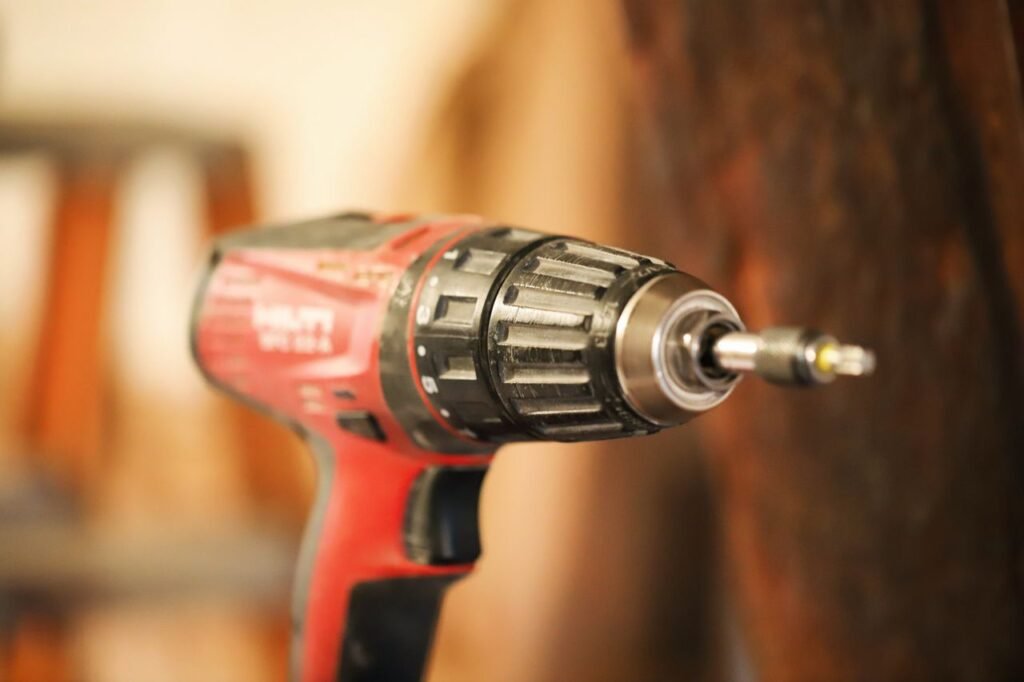
Cordless Drills
Compare our top cordless drills for everyday DIY, home repairs, woodworking, and general drilling.
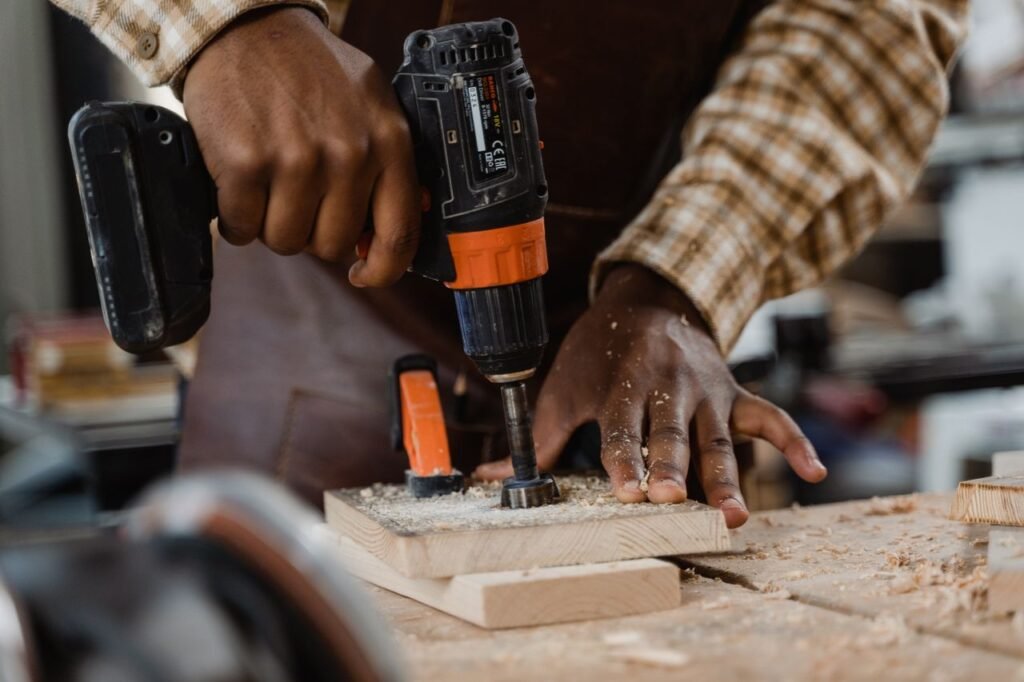
Impact Drivers
Need more fastening power? Compare our top impact drivers for long screws, structural fasteners, and heavy DIY.
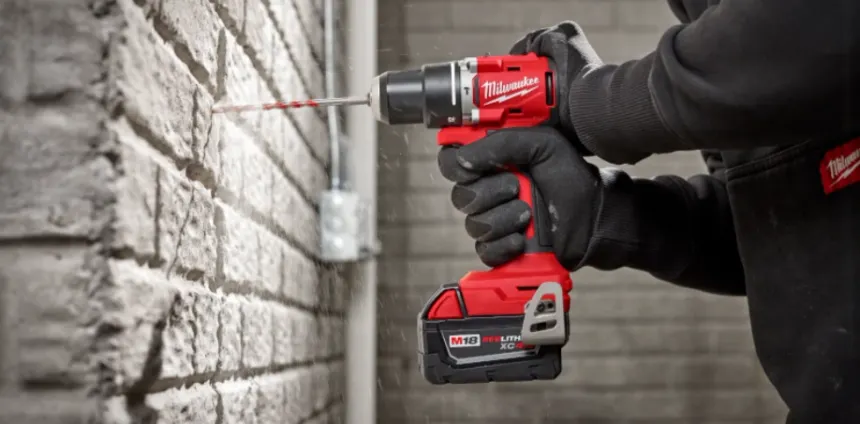
Hammer Drills
Compare our top hammer drills for masonry, renovation work, and demanding drilling projects.