
Executive Verdict
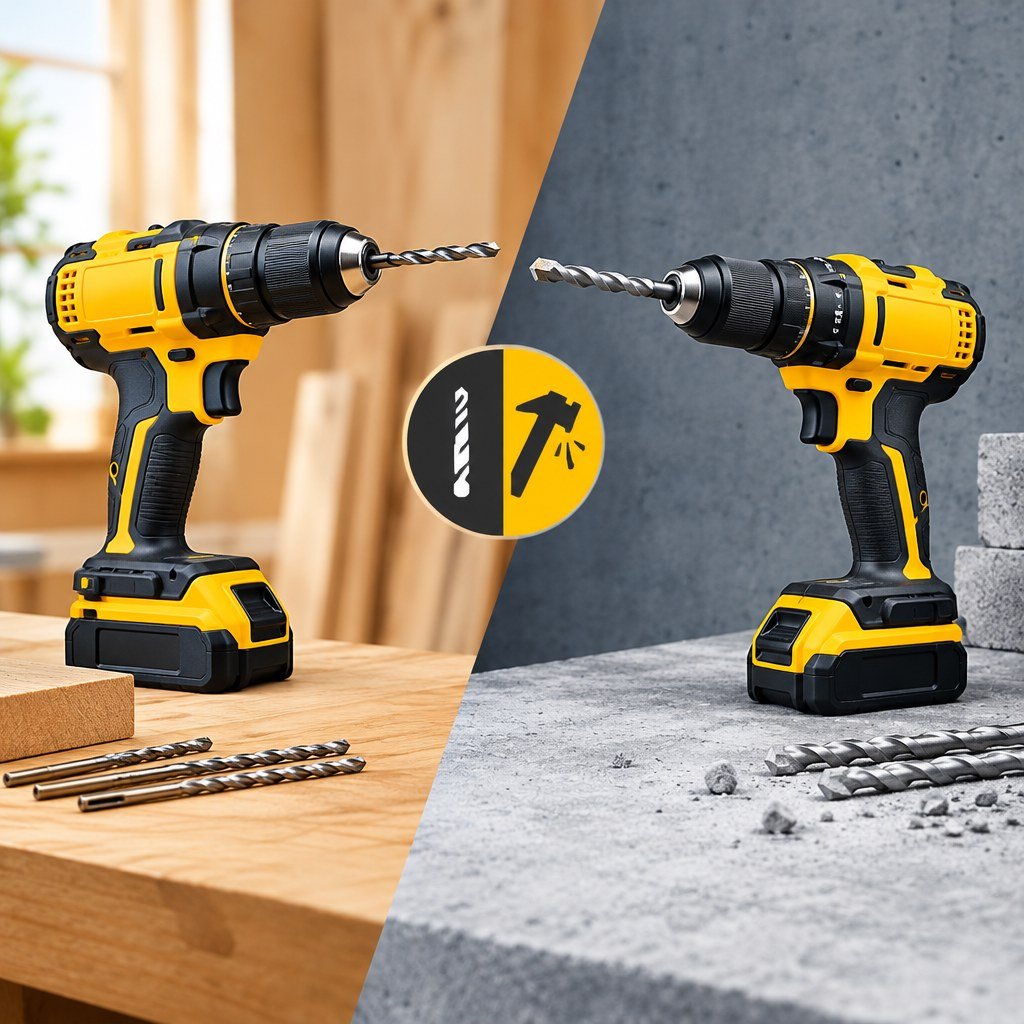
Featured image: editorial illustration of generic drills, not a product photograph.
Reviewed October 20, 2026. In this DeWalt DCD800 review, the short answer is this: the DCD800B is a sensible choice if you mainly drill wood, sheet metal, and light steel, drive fasteners, and already own (or plan to buy) DeWalt 20V MAX batteries. It is a drill/driver, not a hammer drill. If you regularly drill brick, block, or concrete, look at the DeWalt DCD805 or, for frequent concrete work, a suitable rotary hammer.
The DCD800B is sold as a tool-only unit in the US, so the real decision is less about the drill body and more about your battery platform, the kit you choose, and whether a non-hammer drill fits your work. This article focuses on that fit rather than performance claims we cannot verify.
30-Second Decision Table
How We Reviewed the DCD800
This is a research-based Pelstro review. We did not run hands-on tests, measure torque or speed, or survey owners. Instead, we reviewed DeWalt’s official US product listing for the DCD800B, confirmed what is and is not included, and then applied general drilling practice to real buying scenarios.
Our goal is to help you judge application fit, platform cost, and kit selection. Where a specification matters to your decision but we have not verified it, we tell you to check the manufacturer page rather than guess. We also scope this review to US models; regional versions sold elsewhere, including UK listings, may carry different model codes, voltages, labels, and bundle contents, so do not assume they match.
What the DCD800B Is
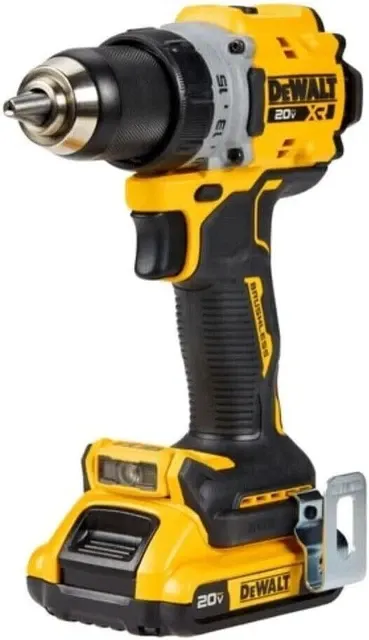
Based on DeWalt’s US listing, these are the facts we treat as confirmed:
For exact weight, length, speed, and torque figures, check the official listing linked in our sources section. Those numbers can matter for overhead work and tight cabinets, so confirm them before buying if size is your priority.
Application Fit: Wood and Metal
Drilling Wood
Wood is the natural home for a drill/driver. A 1/2-inch chuck accepts a wide range of bit shanks, including many spade bits, auger bits, Forstner bits, and hole saw arbors. For furniture assembly, deck repairs, shelving, and stud-wall work, the DCD800 class of tool covers most homeowner and light trade tasks.
Edge case: large self-feeding bits and big hole saws can bind suddenly. Hold the drill firmly, use a lower speed setting, and if the tool supports an auxiliary handle, use one. Our guide on how to use a cordless drill safely covers grip and speed selection.
Drilling Metal
Drilling sheet steel, aluminum angle, and thin steel brackets is also within a drill/driver’s role. Results depend more on technique and bits than on the drill body:
- Center-punch the mark so the bit does not walk.
- Use sharp high-speed steel or cobalt bits suited to the material.
- Run slower speeds with steady pressure, and use cutting fluid on steel.
- Step up through pilot holes for larger diameters.
- Clamp the workpiece; never hand-hold small metal parts.
Driving Fasteners
For screws, use the clutch to avoid stripping heads or overdriving into softwood. For long structural screws or lag bolts in volume, an impact driver is often the better companion tool; many buyers pair the two.
The Non-Hammer Limitation
The biggest reason not to buy the DCD800 is masonry. Without a hammer mode, drilling brick, concrete block, or poured concrete will be slow and hard on bits. A masonry bit in a standard drill can manage an occasional soft-brick hole, but it is not a workflow you want to rely on.
The tradeoff is simple: the hammer drill adds masonry capability, while the drill/driver keeps the job focused on wood, metal, and fastening. Choose based on the walls in your home and the work you actually do.
Platform Costs and Kit Selection
Bare Tool vs Kit
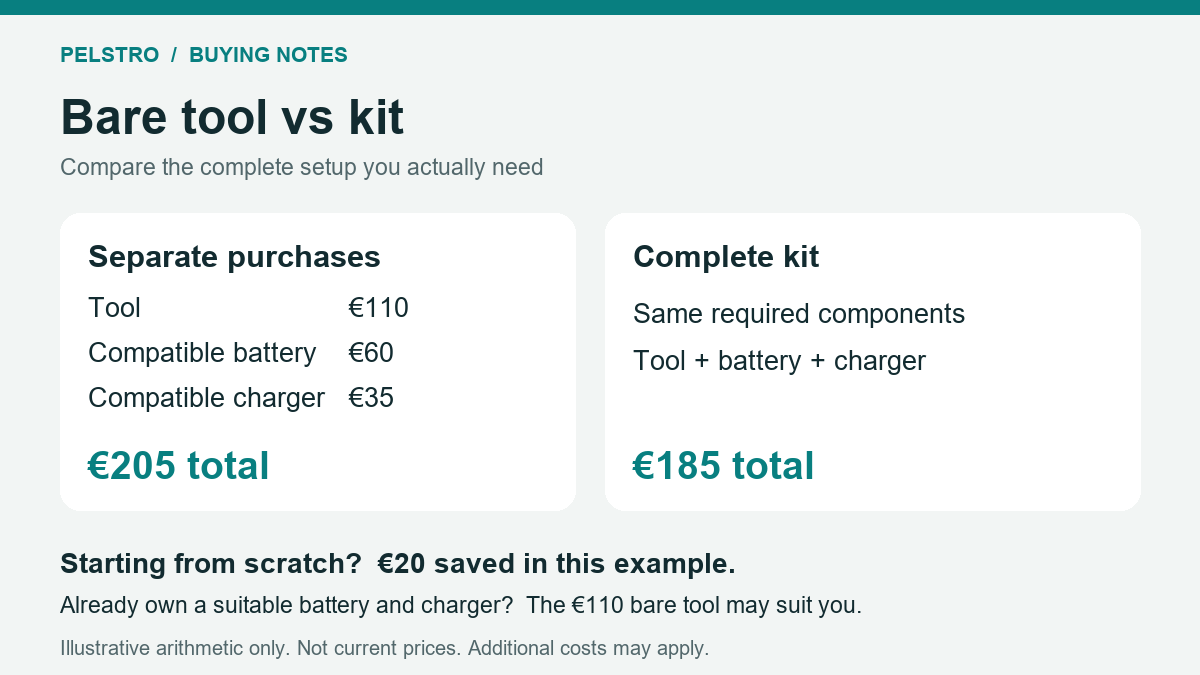
Because the DCD800B excludes battery and charger, its listed price is only part of the cost. If you already have compatible 20V MAX packs, tool-only buying avoids paying for chargers you do not need. If you are starting fresh, a kit may be simpler, but compare carefully: kits vary in battery capacity, case, and charger type. Our bare tool vs kit guide walks through that math.
Choosing Batteries
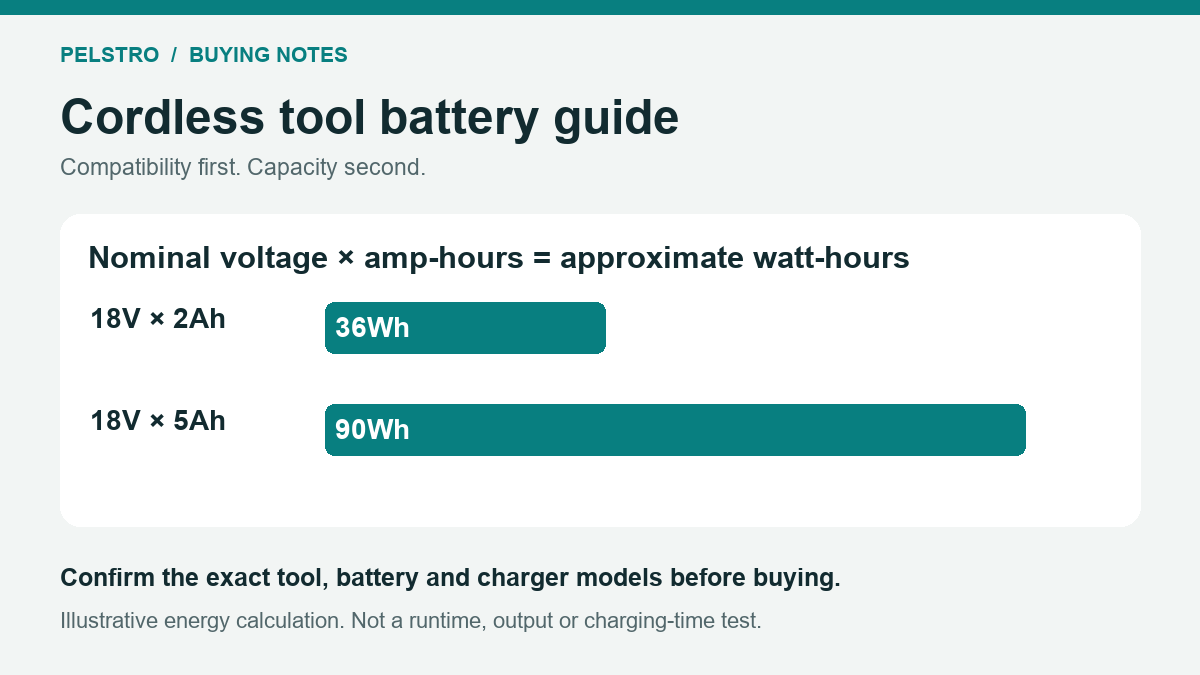
Smaller packs keep the drill lighter for overhead and cabinet work; larger packs suit long sessions with hole saws or many holes in steel. Many owners keep one of each. See the cordless tool battery guide for how capacity affects runtime and balance.
Prices change often, so we do not quote them. Check current retailer listings and confirm the exact model code, especially “B” for bare tool, before checking out.
Practical Tradeoffs
Focused Design
A drill/driver without hammer mode is built around wood, metal, and fastening tasks.
Platform Value
Strong value if you already own 20V MAX batteries; weaker if you must buy everything.
Masonry Gap
No hammer function means brick and concrete call for a different tool.
Check the DCD800B Tool-Only Offer
Battery and charger sold separately. Compare the delivered cost, seller, package contents and applicable warranty. Also compare DeWalt’s newer DCD801B before choosing an older DCD800 offer.
As an Amazon Associate I earn from qualifying purchases. Pelstro may earn a commission through this link at no extra cost to you. Prices and availability vary.
Buying Checklist
- Confirm the US model code DCD800B and that it is tool-only.
- Check whether your existing batteries are DeWalt 20V MAX compatible.
- Decide honestly how often you drill masonry.
- Verify weight and length on the official page if you work overhead or in tight spaces.
- Budget for quality bits: brad-point for wood, HSS or cobalt for metal.
- Compare kit contents rather than headline prices.
- Avoid assuming UK or other regional bundles match US kits.
Common Mistakes to Avoid
- Buying the bare tool by accident. Without a battery and charger, it will not run out of the box.
- Expecting masonry performance. A drill/driver is not a substitute for a hammer drill or rotary hammer.
- Running high speed in steel. This dulls bits quickly; slow down and use cutting fluid.
- Skipping the clutch. Driving screws at full setting strips heads and damages surfaces.
- Mixing platforms casually. Splitting batteries across brands adds chargers and cost.
FAQ
Does the DCD800B include a battery?
No. DeWalt lists the DCD800B as tool-only; the battery and charger are sold separately.
Can the DCD800 drill concrete?
It is not a hammer drill, so it is a poor choice for concrete. Consider the DCD805 for occasional masonry or a rotary hammer for frequent work.
Is the DCD800 good for metal?
For sheet metal, aluminum, and light steel, yes, provided you use proper bits, slow speeds, cutting fluid, and clamping.
Is it the same as the UK model?
Do not assume so. This review covers the US DCD800B only; regional versions can differ in codes, voltage labels, and bundles.
Final Recommendation
Buy the DeWalt DCD800B if you work mostly in wood and metal, value a dedicated drill/driver, and already run DeWalt 20V MAX batteries. Pick a kit if you are new to the platform. Skip it in favor of the DCD805 if masonry is a regular part of your work, and add a rotary hammer if concrete drilling is frequent. To compare alternatives across brands, start with our best compact drills for home use.
Not Sure Which Drill Fits Your Walls?
Related Articles
Sources
Product details are based on the official US listing. Buying reasoning, scenarios, and recommendations are Pelstro’s independent editorial analysis. Last reviewed October 20, 2026.